Get help:

87%
recovery rate
Founded and led by psychiatrists with international expertise and recognition.
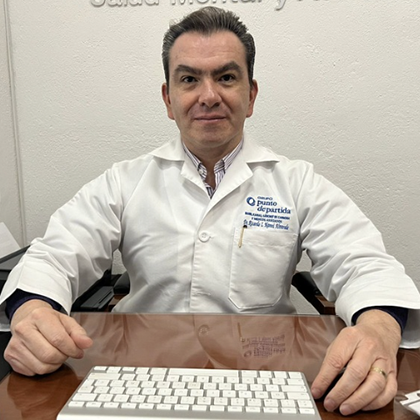
Dr. Ricardo Nanni
Chief Executive Officer
Addictive Disorders / Dual Diagnosis
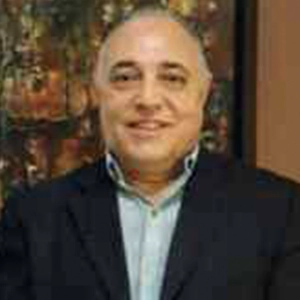
Dr. Omar Kawas
Director Monterrey
Psychotic Disorders & Psychiatric Emergencies
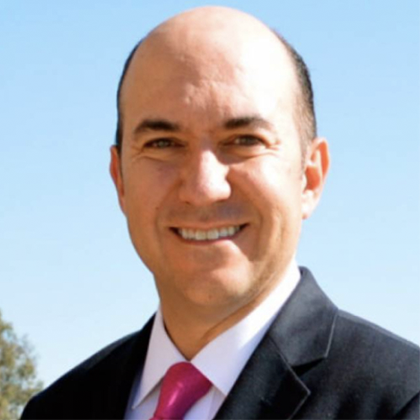
Dr. Manuel Sánchez de Carmona
Medical Director
Mood Disorders
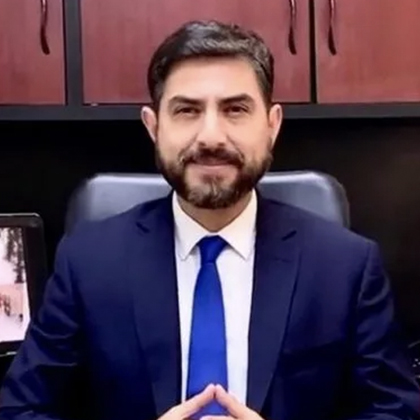
Dr. Emmanuel Sarmiento
Child & Adolescent Psychiatry
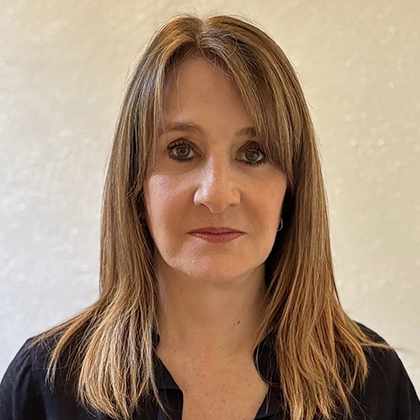
Mtra. Paulina Herrerias
Eating Disorder Specialist
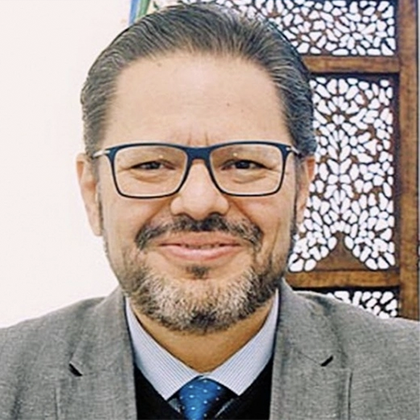
Dr. Humberto Nicolini
Genetics, Obsessive-Compulsive Disorders & Clinical Research
We maintain active partnerships with leading national and international institutions, including the Mexican Psychiatric Association, the American Psychiatric Association, the National Institute of Psychiatry, the Mexican Association of Child Psychiatry, and the International Society for Bipolar Disorders (ISBD).
Up to 136 beds across seven specialized clinics
Advanced technology, including rTMS and tDCS equipment
A staff of 180+ mental health specialists
Access to a network of over 500 affiliated physicians nationwide
Services available in both English and Spanish

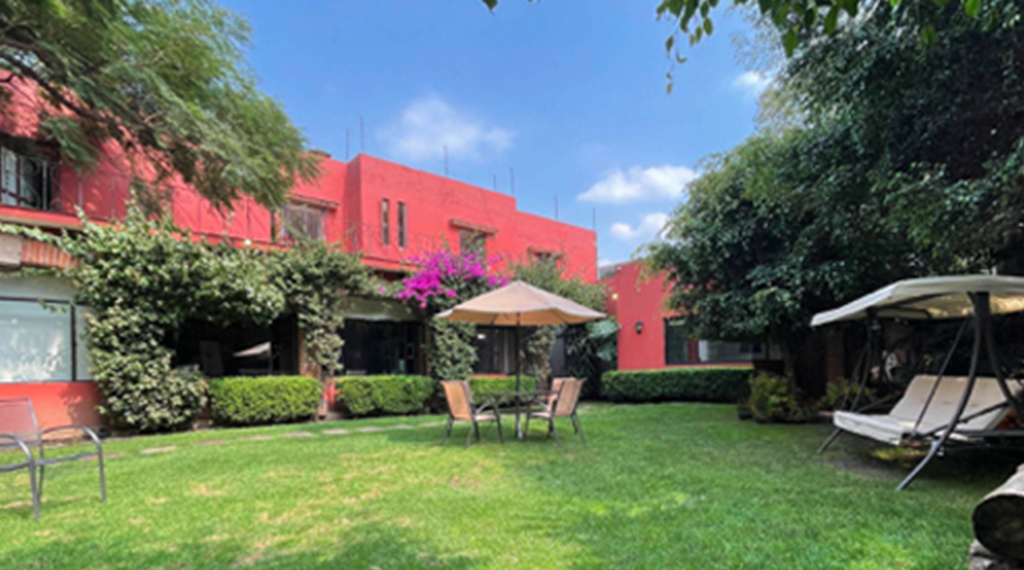

A single therapeutic model unifies our seven specialized rehabilitation centers across Mexico City and Monterrey, each offering a distinct, carefully designed environment. Recovery is built in stages, and each stage has a space built for it.
During the acute phase, patients are admitted to a unit tailored to their clinical profile:
Acute care
for men
Acute care f
or women
For adults with mood disorders without addiction
Dedicated care for
adolescents
As patients progress into medium and long-term care, they transition to specialized units focused on consolidating gains, rebuilding cognitive function, and preparing for reintegration into daily life:
Structured skill-building for everyday living, self-awareness, and disease management
Neurological rehabilitation and cognitive optimization for adults
Specialized care for patients with cognitive deficits, using cognitive stimulation, neuropsychological rehabilitation, and neuromodulation
All technologies used at Grupo Punto de Partida are approved by the FDA (U.S. Food and Drug Administration) or the EMA (European Medicines Agency).
Conducted before treatment begins to personalize medication selection, eliminating the trial-and-error approach and maximizing outcomes from day one.
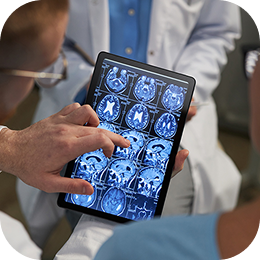
Detailed brain mapping that enables precise diagnosis and ongoing monitoring of each patient’s neurofunctional status.
Enhances diagnostic accuracy and allows for close tracking of each patient’s progress over time.
A non-invasive technique used to treat depression and other neuropsychiatric disorders, significantly improving quality of life.
Supports neurological rehabilitation and cognitive improvement through individualized protocols.
Administered as clinically indicated for severe mental health conditions, always under strict medical supervision.
Specialized implant-based treatments for addiction, impulsivity, alcoholism, and gambling disorder are managed by a trained medical team.
Continuous monitoring of sleep, physical activity, and heart rate as part of a comprehensive, data-informed treatment approach.
Substance use disorders, benzodiazepine dependence, gambling disorder, behavioral addictions, and Dual Diagnosis — co-occurring addiction and mental health conditions. Led by Dr. Ricardo Nanni Alvarado
Comprehensive care for all mood disorders, including bipolar disorder, major depression, suicidal ideation and attempts, generalized anxiety, and borderline personality disorder. Led by Dr. Manuel Sánchez de Carmona
Specialized treatment for anorexia, bulimia, and binge eating disorder, helping patients break free from destructive patterns around food and body image. Led by Mtra. Paulina Herrerias
Evidence-based treatment for OCD, addressing compulsive rituals, intrusive thoughts, and attention deficits to restore daily functioning and quality of life. Led by Dr. Humberto Nicolini
Specialized care for patients who have experienced sexual abuse, addressing the emotional and physical trauma associated with these events.
We accept patients presenting an imminent risk to their own safety or that of others, providing immediate psychiatric evaluation and urgent specialized care.
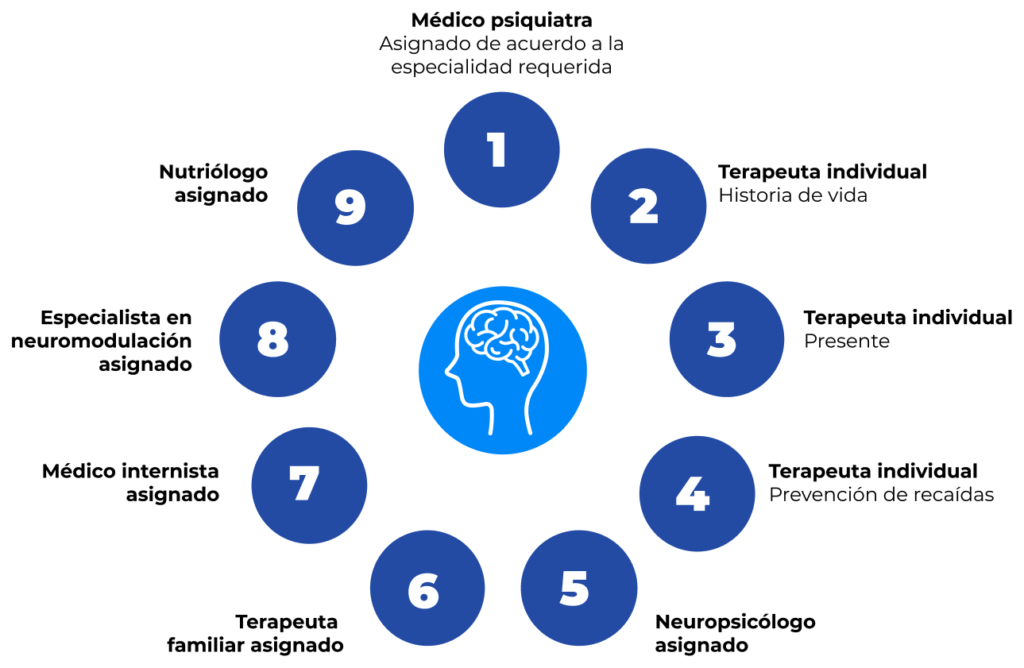
Each patient is assigned 9 physicians by specialty, ensuring comprehensive, individualized attention at every stage of treatment.

Cognitive Behavioral Therapy (CBT) is tailored to each patient’s needs

Dialectical Behavior Therapy (DBT) is focused on emotional regulation
Neuropsychological evaluation with emphasis on executive function

Yoga and mindfulness for stress reduction and emotional grounding
Recovery doesn’t happen in isolation. Our program is built around the entire family system:

Personalized treatment plan with dynamic adjustments as progress is made

Programs with defined phases of advancement and follow-up

weekly group therapy sessions covering diverse topics and led by various therapists

Regular reviews and reports to families from the full treatment team
Clinical insights, advances in mental health, and practical guides for families.